-
Dimethyl disulfide(DMDS)
Instruction:
Used as a solvent and pesticide intermediate, it is also the main raw material for methylsulfonyl chloride and methylsulfonic acid products
Dimethyl disulfide, also known as dimethyl disulfide, is used in the synthesis of organophosphorus insecticides such as betamethasone and imidacloprid. It is also used as an intermediate for methylthio meta cresol, an intermediate for thiopropyl phosphorus, and as a purifying agent for solvents and catalysts.
Used as a passivation agent for solvents, catalysts, pesticide intermediates, coking inhibitors, etc. Dimethyldisulfide reacts with cresol to produce 2-methyl-4-hydroxybenzenesulfide, which then condenses with O, O-dimethylsulfophosphoryl chloride in an alkaline chemicalbook medium to obtain sesquitophos. This is an efficient and low toxicity organic phosphorus insecticide with excellent control effects on rice borers, soybean heartworms, and gadfly larvae. It can also be used as veterinary medicine to eliminate cowfly maggots and cow wall lice.
-
1,3,5-Tri-2-Propenyl-1,3,5-Triazine-2,4,6(1H,3H,5H)-Trione
Name:1,3,5-Tri-2-Propenyl-1,3,5-Triazine-2,4,6(1H,3H,5H)-Trione(TAIC)
Short name:TAIC
CAS NO:1025-15-6
Molecular formula: C12H15N3O3
Molecular weight:249.27
Structural formula: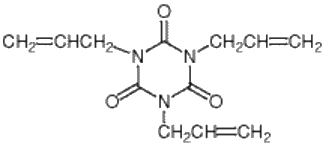
-

DL-Lipoic Acid
English Name:DL-Lipoic Acid;α-Lipoic Acid;
CAS NO: 1077-28-7;
Molecular formula:C8H14O2S2
DL lipoic acid is a unique anti free radical substance, which is often referred to as a wide range of antioxidants. It is a vitamin like substance produced in the body. Unlike other antioxidants with special effects produced in the body, DL lipoic acid is neither strictly fat soluble nor water-soluble, which makes it possible to promote the activity of other antioxidants in the body, and it is also a widely available substitute when antioxidants are insufficient. For example, if the contents of vitamin C and vitamin E stored in the chemical book are very low, DL lipoic acid can be temporarily supplemented. Because DL lipoic acid can pass through the blood-brain barrier, it can help reverse the adverse reactions caused by stroke. DL lipoic acid also helps to maintain the normal level of blood sugar and prevent serious complications of diabetes. With age, the human body will not be able to produce enough DL lipoic acid to maintain health.
-
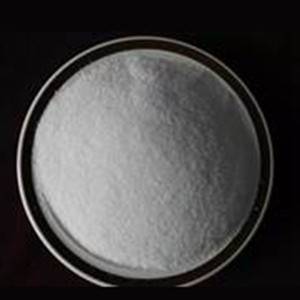
Hexachlorocyclotriphosphazene
English Name:Hexachlorocyclotriphosphazene;Phosphonitrilic chloride trimer
CAS NO: 940-71-6;Molecular formula:CL6N3P3
Hexachlorocyclotriphosphazene is a bone like compound composed of phosphorus and nitrogen atoms, and generally exists in the form of chloride. It is the basic raw material for the synthesis of polyphosphazenes. The synthetic reaction is obtained by separating the ring oligomer of n = 3.
White crystalline powder, insoluble in water, soluble in ethanol, benzene, carbon tetrachloride, etc
-
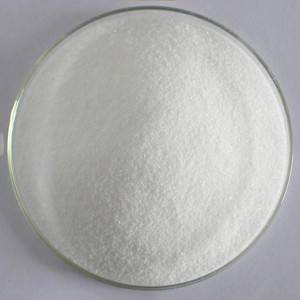
Melatonin
English Name: Melatonin
CAS NO: 73-31-4; Molecular formula:C13H16N2O2
Melatonin is an indole heterocyclic compound. After synthesis, melatonin is stored in the pineal gland. Sympathetic excitation controls the pineal gland cells to release melatonin. The secretion of melatonin has obvious circadian rhythm, which is inhibited during the day and active at night. Melatonin can inhibit the hypothalamus pituitary gonadal axis, reduce the contents of gonadotropin releasing hormone, gonadotropin, luteinizing hormone and follicular estrogen, and act directly on the gonad to reduce the contents of androgen, estrogen and progesterone. In addition, melatonin has strong neuroendocrine immunoregulation activity and scavenging free radical antioxidant capacity, which may become a new antiviral therapy. Melatonin is ultimately metabolized in the liver, and the damage of hepatocytes can affect the level of melatonin in the body.
-
Diallylamine
Essential information:
Name: Diallylamine
CAS NO:124-02-7
Molecular formula:C6H11N
Molecular weight: 97.16
Structural formula:
-
Dibromomethane
Essential information:
Name: Dibromomethane
CAS NO:74-95-3
Molecular formula: CH2Br2
Molecular weight:173.83
Structural formula:
-

L-Theanine
Essential information:
English Name: L-Theanine
CAS NO: 3081-61-6
Molecular formula: C7H14N2O3
Molecular weight: 174.2
Molecular structure diagram: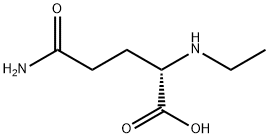
-

Raspberry Ketone
Essential information:
Name: Raspberry Ketone
CAS NO:5471-51-2
Molecular formula: C10H12O2
Molecular weight: 164.2
Structural formula: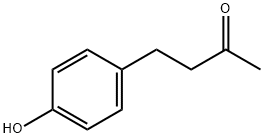
-
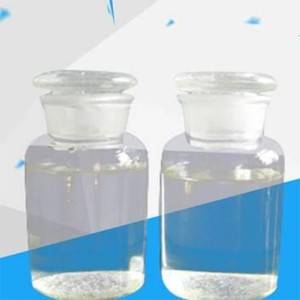
Allyl bromide
Essential information:
Name:Allyl bromide
CAS NO:106-95-6
Molecular formula: C3H5Br
Molecular weight: 120.98
Structural formula:
-
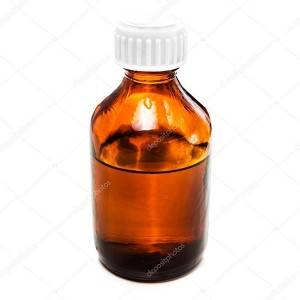
Dichlormid
Essential information:
Name: Dichlormid
CAS NO:37764-25-3
Molecular formula:C8H11Cl2NO
Molecular weight:208.09
Structural formula: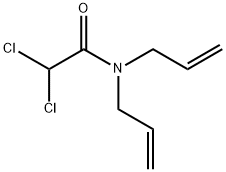
-
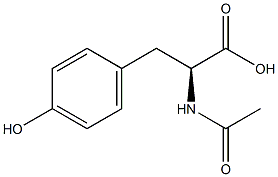
N-acetyl-L-tyrosine
Essential information:
Name:N-acetyl-l-tyrosine
CAS NO:537-55-3
Molecular formula: c11h13no4
Molecular weight: 223.22
Structural formula: